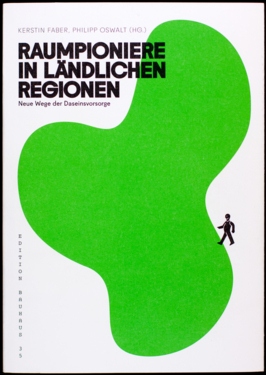
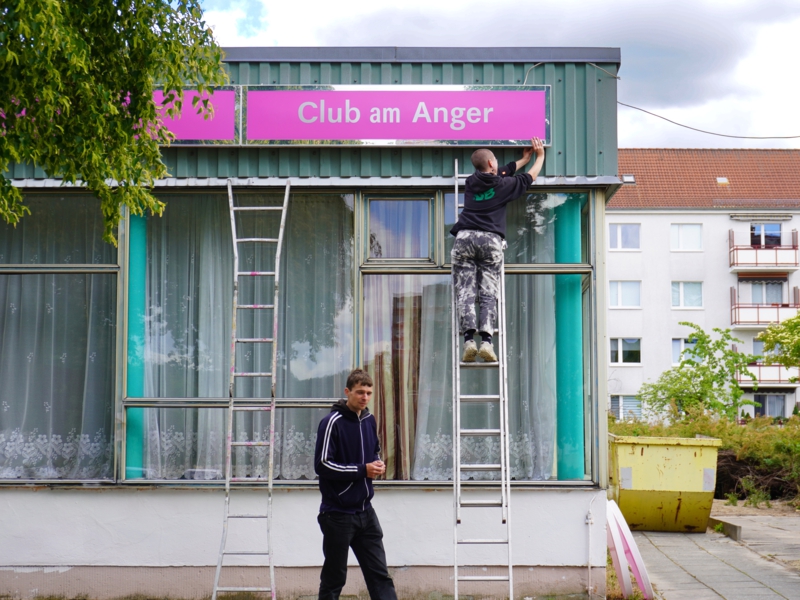
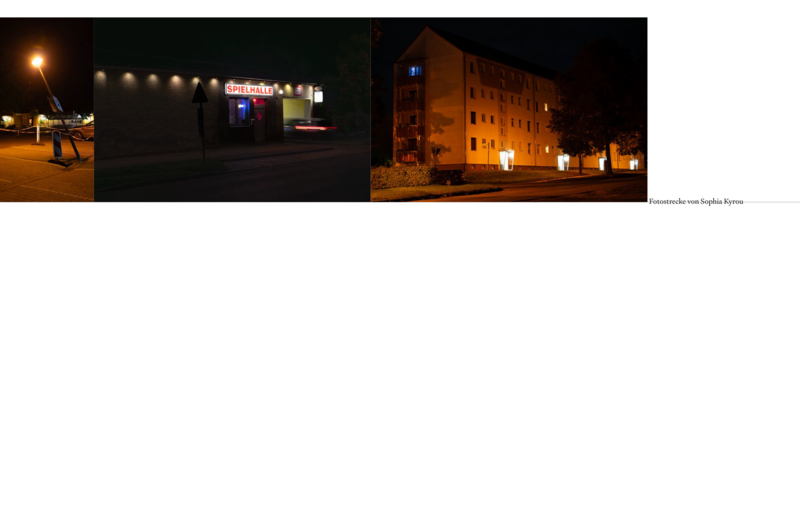
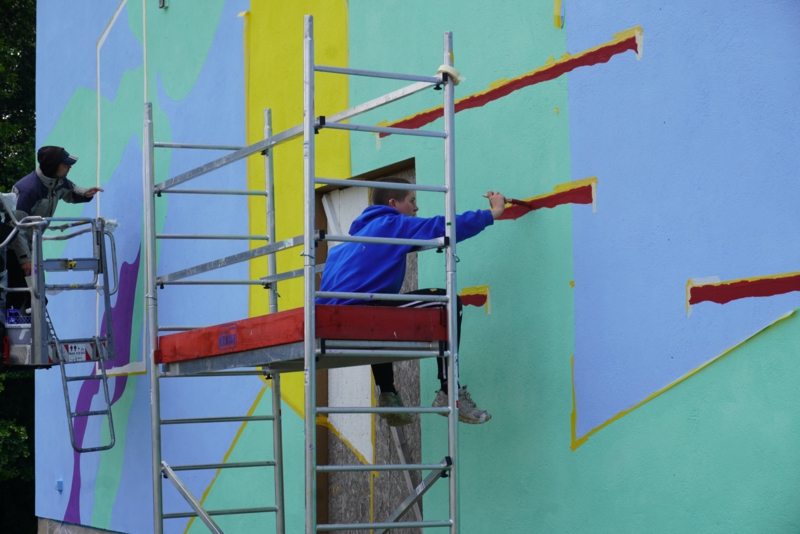
Rural areas in Germany are experiencing a process of radical change. The agricultural economy is becoming increasingly uncoupled from the rural farming culture that has evolved over centuries. This raises questions that will determine the future of our community. What role might an art college play in the quest for answers? The starting point for this inquiry is the art school founded in Berlin-Weißensee in 1946. The new East German state’s drastic intervention in the way people in villages lived and worked was accompanied by an expansion of the cultural infrastructure — in the 1950s, the school began initiating local projects in eastern Brandenburg as part of this. What effect did these projects have on rural areas? What did the students experience there? What lessons can be learned from this to inform the processes of transformation currently taking place in the countryside?
Magdalena Abraham-Diefenbach is a cultural studies scholar; her research focuses in part on the history of the Germany–Poland border region. Anna Eckert is a cultural anthropologist; she studies towns and rural areas. Franziska Schories is a political scientist; she works at the Thünen-Institut für Regionalentwicklung. Steffen Schuhmann is a designer; he teaches at the weissensee school of art and design berlin. Andreas Willisch is a sociologist; he heads the Thünen-Institut für Regionalentwicklung.
←
Ernte

Leipzig July, 2026
ISBN: 9783959059893
Width: 23 cm
Length: 30 cm
Language(s): German
Editor
Magdalena Abraham-Diefenbach, Anna Eckert, Franziska Schories, Steffen Schuhmann, Andreas Willisch
Designer
Carla Baumeister
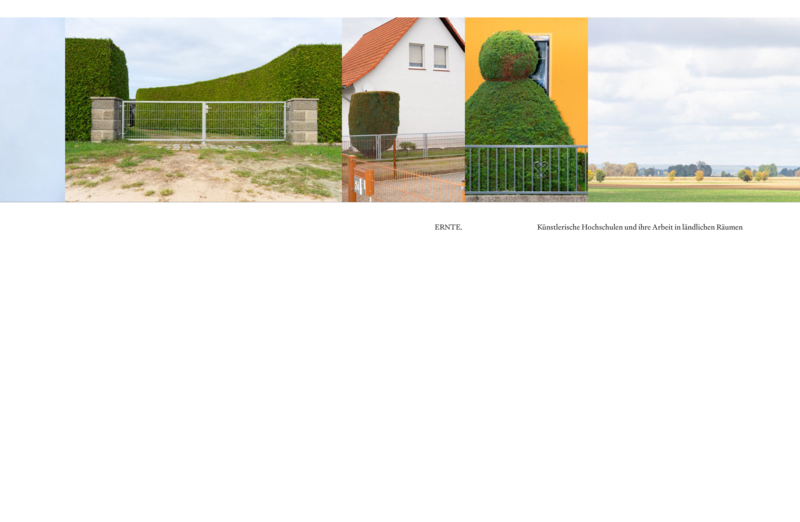
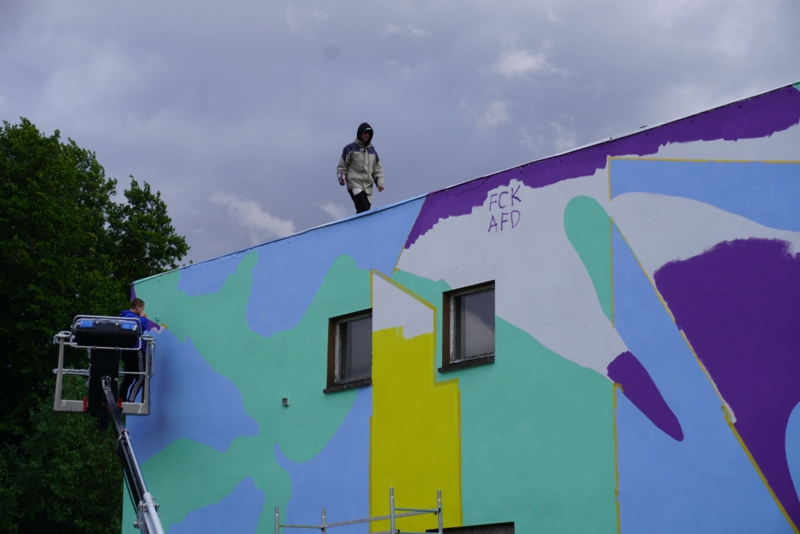
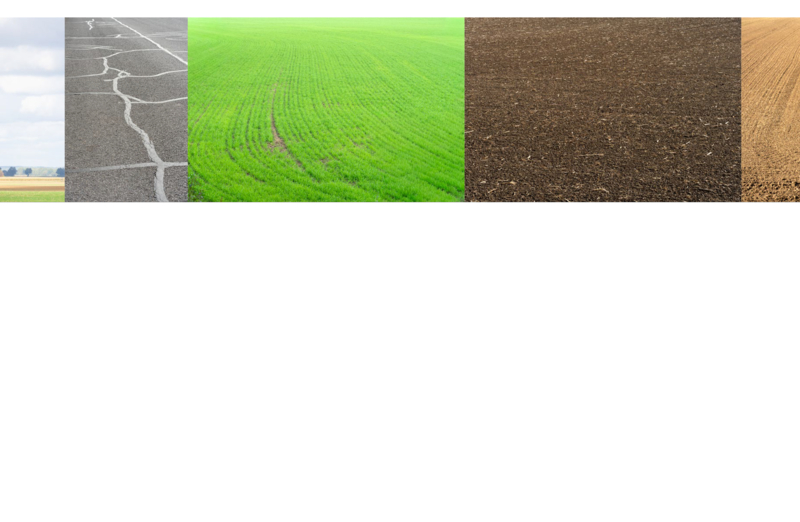

Ernte
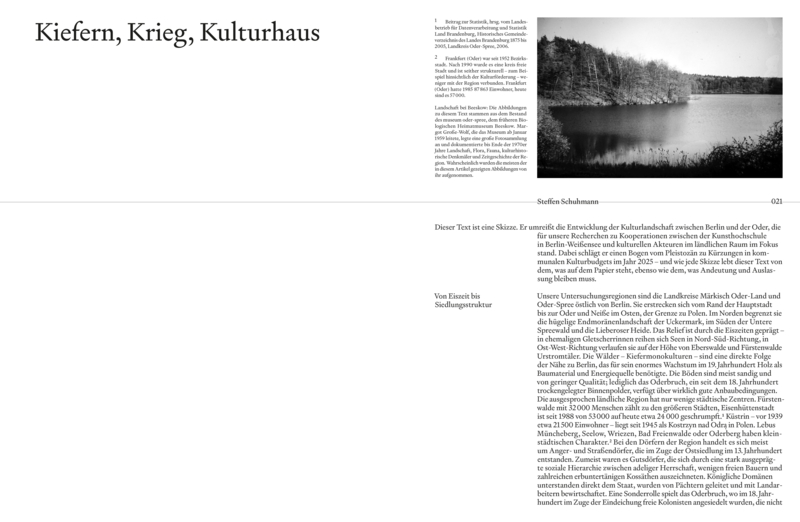
Künstlerische Hochschulen und ihre Arbeit in ländlichen Räumen
Magdalena Abraham-Diefenbach/Anna Eckert/Franziska Schories/Steffen Schuhmann/Andreas Willisch
204 pp.
65 color and 52 b/w illustrations
thread-sewn hardback with open spine
Leipzig July, 2026
ISBN: 9783959059893
Width: 23 cm
Length: 30 cm
Language(s): German
Editor
Magdalena Abraham-Diefenbach, Anna Eckert, Franziska Schories, Steffen Schuhmann, Andreas Willisch
Designer
Carla Baumeister