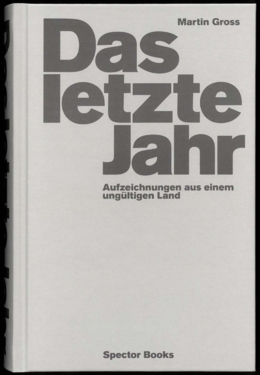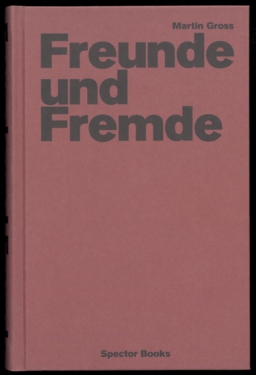
A Russian convict, an Iraqi refugee, and a German volunteer—what brings them together, and what keeps them apart? At the start of the twenty-first century, it was still possible to imagine Europe entering an age of openness: twenty-five years ago, Putin arrived; ten years ago, refugees came. And in both moments, the word was the same: “Welcome.” A quarter century on, that promise feels distant. Europe now finds itself on a collision course with Russia, while keeping refugees at arm’s length. The hoped-for convergence of cultures has given way to the persistence of difference. Europe is redefining itself through the boundaries it draws between the familiar and the foreign.
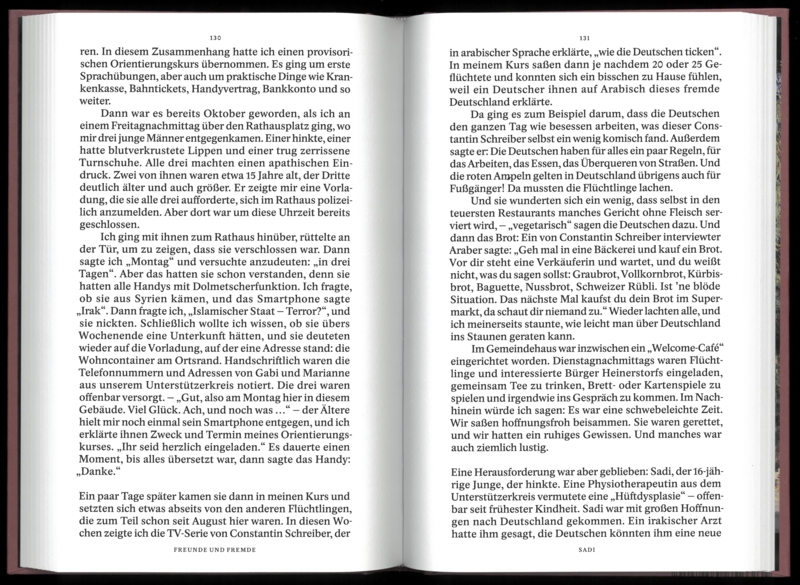
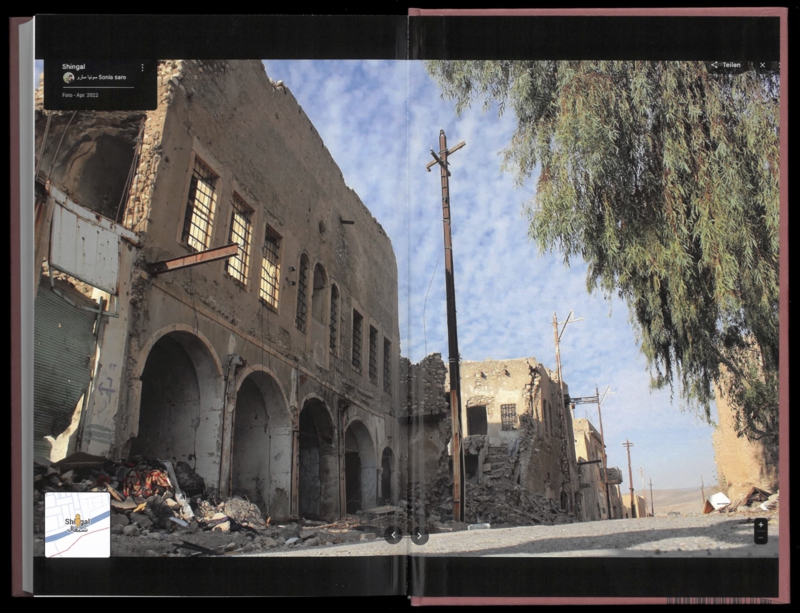
Martin Gross traces these shifts through his friendships with a Russian companion, Danil, and an Iraqi refugee, Sadi. Over time, the lines between them sharpen, cultural differences surfacing more clearly—especially in their attitudes toward women, but also toward violence, guilt, and the authority of the state.
Martin Gross was born in 1952 in Germany’s Black Forest and moved to West Berlin in 1970. From 1981 onward, he worked as a lecturer in German studies and as a cultural critic, later coordinating projects between Russian, Indian, and European universities. He now lives near Lüneburg.